In-Depth Visit Analysis: Essential Insights for Your Dental Health in 2026
Understanding the Importance of Dental Visits
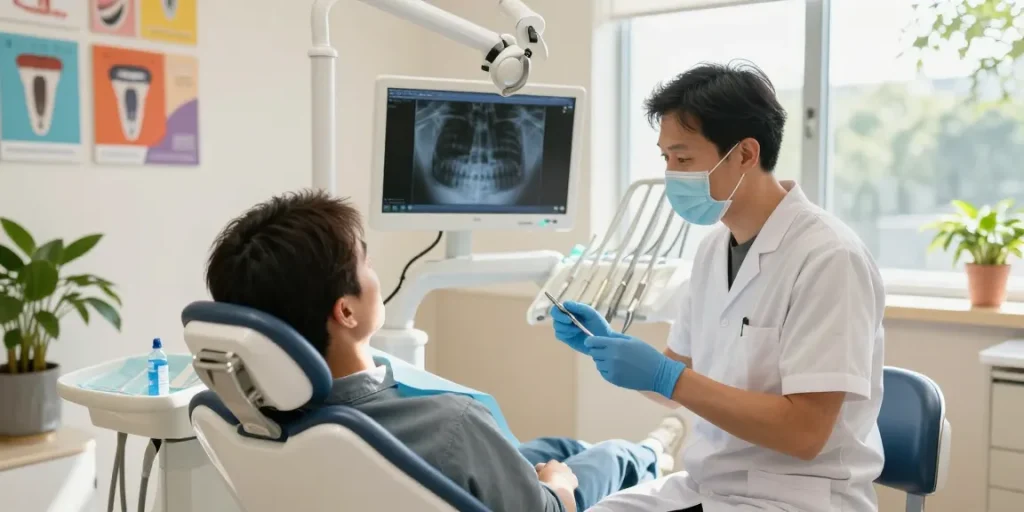
Visiting the dentist is a crucial aspect of maintaining both oral health and overall wellness. Regular dental visits enable healthcare professionals to identify potential issues early, ensuring they can provide timely intervention. By making dental care a priority, patients can enjoy a healthier smile and improve their quality of life. For those looking to streamline their dental appointments, platforms like visit might provide comprehensive insights and options for scheduling in your city.
Why Regular Dental Checkups Matter?
Regular dental checkups are more than just routine appointments; they are essential for the early detection of dental issues such as cavities, gum disease, and oral cancer. The American Dental Association recommends that individuals visit their dentist at least twice a year. These visits allow for professional cleaning, which removes plaque that regular brushing and flossing may miss. Furthermore, checkups provide an opportunity for dentists to assess the overall health of your teeth and gums and to give personalized advice on maintaining oral hygiene.
The Link Between Oral Health and Overall Wellness
The mouth acts as a gateway to the body; poor oral health can lead to significant health issues beyond just dental problems. Conditions such as diabetes and heart disease have been shown to have strong correlations with oral health. According to studies, individuals with gum disease are almost twice as likely to experience heart disease. By prioritizing dental visits, patients can take proactive steps to improve not only their oral health but also reduce the risk of systemic diseases.
Common Dental Issues and Their Treatments
Many dental issues can arise over time, each requiring specific treatments. Common problems include:
- Cavities: Often caused by poor oral hygiene, they can be treated with fillings or crowns depending on severity.
- Gum Disease: Treatment can range from deep cleaning to surgery if the condition is advanced.
- Tooth Sensitivity: Products containing fluoride or desensitizing toothpaste can alleviate discomfort.
- Oral Cancer: Early detection through regular dental visits dramatically improves treatment success.
How to Choose the Right Dentist for Your Needs
Selecting the right dentist can be a daunting task, especially if you’re new to an area or are looking for specialized care. It’s important to consider various factors to ensure that you choose a provider who meets your specific needs.
Factors to Consider When Selecting a Dentist
When searching for a dentist, consider the following:
- Credentials and Experience: Verify the dentist’s qualifications and experience in their field.
- Location: A conveniently located practice can save you time and make it easier to schedule visits.
- Office Hours: Make sure their hours align with your availability.
- Payment Options: Confirm the types of insurance they accept and the payment plans available.
The Role of Patient Reviews and Recommendations
Patient reviews can provide valuable insights into the quality of care offered at a dental practice. Websites like Google Reviews, Yelp, and social media can offer firsthand accounts of patient experiences. Recommendations from friends, family, and coworkers can also help guide your decision. Pay attention to comments about the staff’s friendliness, the office’s cleanliness, and the dentist’s chair-side manner.
Understanding Different Specialties in Dentistry
Not all dentists are created equal; different specialties cater to unique dental needs. Here are some common types:
- General Dentists: Provide routine care and preventive services.
- Pediatric Dentists: Specialize in treating children and addressing their unique dental needs.
- Orthodontists: Focus on aligning teeth through braces and other appliances.
- Oral Surgeons: Perform surgeries, including tooth extractions and jaw corrections.
Booking Your Dental Appointment Efficiently
Booking a dental appointment should be a straightforward process. Here are some steps to ensure that you can get your visit scheduled without hassle.
Steps to Booking Your Visit Online
Most dental practices now offer online booking, which simplifies the process significantly. Here’s how to do it effectively:
- Visit the dental office’s website or use a designated platform.
- Select the type of appointment you need (e.g., routine checkup, emergency visit).
- Choose a date and time that fits your schedule.
- Provide any necessary information, such as insurance details or medical history.
- Confirm your appointment and note any pre-appointment requirements.
How to Prepare for Your Dental Appointment
Preparation is key to ensuring a productive dental visit. Here are some tips:
- Gather Your Information: Bring any relevant medical records, insurance cards, and a list of medications.
- List Your Concerns: Write down any questions or symptoms you want to discuss.
- Arrive Early: Give yourself extra time to fill out necessary paperwork.
What to Expect During Your First Visit
Your first dental visit typically involves a comprehensive examination. The dentist will review your medical history, assess your oral health, and may perform X-rays to identify any underlying issues. This initial examination sets the foundation for your ongoing dental care and helps in formulating a personalized treatment plan.
Maximizing Your Dental Experience
To get the most out of your dental visits, effective communication and the right mindset can significantly enhance your experience.
Communicating Effectively with Your Dentist
Open communication is crucial when visiting the dentist. Share your dental history, any medications you are taking, and any fears or anxieties you may have. This transparency helps the dentist tailor their approach to your needs and can improve your overall experience.
Tips for Reducing Anxiety Before Your Visit
Many people experience anxiety when visiting the dentist. Consider these strategies to manage your nerves:
- Practice Relaxation Techniques: Breathing exercises or meditation can help calm your mind.
- Bring a Friend: Having someone with you can provide comfort and distraction.
- Discuss Your Fears: Talk to your dentist about any anxiety to receive positive reassurance.
Follow-Up Care and Maintenance After Your Appointment
After your dental visit, follow any care instructions provided by your dentist. This may include recommendations for at-home oral hygiene practices, dietary suggestions, or additional visits for treatment. Proper follow-up care is essential for maintaining the health of your teeth and gums.
Future Trends in Dentistry You Should Know
The dental industry is continuously evolving, with new technologies and practices emerging. Keeping up with these trends can help you make informed decisions about your dental health.
Technological Advancements in Dental Care for 2026
New technologies such as 3D printing, AI-driven diagnostics, and digital imaging are revolutionizing the dental field. These advancements not only improve the accuracy of diagnoses but also enhance patient experiences by streamlining procedures and reducing discomfort.
The Rise of Tele-Dentistry: Convenience and Accessibility
Tele-dentistry has gained traction, allowing patients to consult with dental professionals remotely. This trend is particularly beneficial for those living in remote areas or with mobility challenges. Patients can receive consultations and follow-up care from the comfort of their homes.
Shifts in Dental Health Education and Patient Empowerment
As patients become more informed about their health, there’s a growing emphasis on education and empowerment. Dental practices are now focusing on providing resources and information to help patients understand their conditions, treatment options, and preventive measures.