Your Slot Gacor Wake-Up Call: What’s Really Happening in Communication Studies 2026
Understanding Slot Gacor in Communication Studies
The term slot gacor has gained traction in educational discussions, particularly in communication studies. It refers to the concept of “gacor” or “highly productive” within the context of communication strategies that yield successful outcomes. In a rapidly evolving world, understanding these effective communication tactics can significantly impact how messages are conveyed and interpreted across various platforms. This article explores the critical aspects of slot gacor and its relevance in shaping modern communication practices.
What is Slot Gacor and Its Significance?
Slot gacor is a term primarily derived from gaming jargon, where it indicates a machine or system that consistently pays out or performs well. In communication studies, this concept translates into strategies and methods that consistently generate positive engagement and results. The significance of understanding slot gacor lies in its application to effective communication campaigns, allowing students and professionals to identify what works and what does not in conveying messages. It emphasizes the need for assessment and adaptability in communication practices.
Historical Context of Communication Education
The evolution of communication studies dates back decades, marked by significant technological advancements and shifts in societal norms. Initially rooted in traditional media, the discipline has expanded to include digital communication, social media, and cross-cultural communication. Understanding the historical context allows current students to appreciate the foundational theories that inform their studies today. It also highlights how concepts like slot gacor can be traced back to early communication models, which sought to understand audience engagement and response.
Current Trends Shaping the Industry in 2026
As we look towards 2026, several trends are reshaping communication studies. The rise of artificial intelligence, data analytics, and the importance of real-time feedback are becoming central to effective communication strategies. Professionals in the field are increasingly expected to analyze data to inform their approaches, making the understanding of slot gacor crucial. This trend encourages students to cultivate a skill set that includes both creative and analytical capabilities, preparing them for diverse roles in the industry.
Exploring Accessibility in Higher Education
Accessibility in education remains a pressing issue, particularly in communication programs where diverse learning styles must be accommodated. Institutions are tasked with creating inclusive environments that support various abilities and backgrounds. By addressing these challenges, educational bodies can enhance the learning experience for all students, creating a more equitable academic landscape. For more insights on making communication education accessible, resources like slot gacor can be invaluable.
Challenges Students Face in Communication Programs
Students enrolled in communication programs often encounter challenges that can hinder their success. Issues such as limited access to resources, inadequate technological support, and barriers to participation in discussions can significantly affect learning outcomes. Additionally, varying levels of prior knowledge in communication theories can create disparities among students. Recognizing and addressing these challenges is essential for educators aiming to develop a robust and engaged learning community.
Innovative Solutions for Enhanced Learning
In response to accessibility challenges, many communication programs are adopting innovative solutions. These include the integration of adaptive learning technologies, which tailor educational experiences to meet individual needs. Furthermore, flexible course structures, such as hybrid or online classes, allow students to engage with material at their own pace. Encouraging collaboration through group projects also fosters a sense of belonging and shared learning, which can be particularly beneficial in communication studies.
Tools and Technologies Supporting Accessibility
Various tools and technologies play a crucial role in enhancing accessibility in communication education. For instance, learning management systems (LMS) provide students with access to course materials and resources from anywhere. Assistive technologies, such as screen readers and speech-to-text software, ensure that students with disabilities can engage with content effectively. Moreover, platforms that facilitate online collaboration enable students to work together on projects regardless of physical location, thus promoting inclusivity.
Enhancing Collective Communication Skills
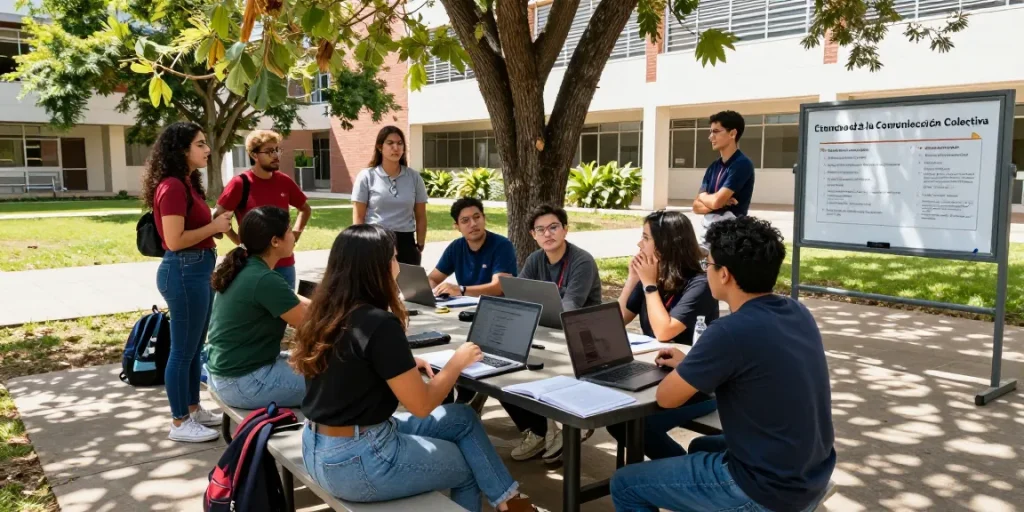
Collective communication skills are essential for success in both academic and professional settings. The ability to work effectively in teams, articulate ideas clearly, and present information confidently can set students apart in competitive job markets. Developing these skills involves practice, feedback, and a commitment to continuous improvement. Integrating collaborative learning experiences into communication programs can significantly bolster these essential capabilities.
Best Practices for Effective Teamwork in Projects
Effective teamwork in communication projects relies on several best practices. First, establishing clear roles and responsibilities helps to streamline efforts and reduce confusion. Regular check-ins and open communication channels ensure that team members are aligned and can address any challenges that arise promptly. Additionally, utilizing project management tools can enhance organization and accountability within teams, fostering a productive work environment.
Case Studies of Successful Communication Campaigns
Analyzing successful communication campaigns provides valuable insights into what makes strategies effective. Case studies can reveal the importance of audience analysis, message tailoring, and the choice of communication channels. For example, a campaign that effectively utilizes social media to engage a younger demographic demonstrates how analyzing audience behavior can lead to better outcomes. These real-world examples can inspire students to apply learned theories in practical settings.
Techniques for Improving Public Speaking and Presentation Skills
Public speaking and presentation skills are invaluable assets in the communication field. To improve these skills, students can engage in practice sessions, receive constructive feedback, and explore techniques such as storytelling and audience engagement strategies. Participating in workshops and public speaking courses can also enhance confidence and proficiency in delivering compelling presentations.
Future Trends in Communication Studies
As communication studies evolve, new trends and technologies are emerging that will shape the future of the field. Understanding these trends is essential for students preparing to enter a rapidly changing job market. By staying informed and adaptable, communication professionals can position themselves for success in diverse roles.
Emerging Technologies and Their Impact on Learning
Emerging technologies such as virtual reality (VR) and augmented reality (AR) are revolutionizing the ways students engage with learning material. These technologies create immersive experiences that enhance understanding and retention of complex concepts. By incorporating VR and AR into communication curricula, educators can provide students with practical, hands-on experiences that mimic real-world scenarios.
Predictions for Communication Roles in 2026
Looking ahead to 2026, communication roles are likely to evolve in response to technological advancements and changing audience expectations. Jobs that require expertise in data analytics, social media strategy, and digital content creation will become increasingly important. Additionally, roles focused on ethical communication and crisis management will be essential as organizations navigate the complexities of modern communication landscapes.
Preparing Students for an Evolving Job Market
To prepare students for the evolving job market, educational programs must emphasize the development of both hard and soft skills. Technical proficiency in tools and platforms is critical, but so is the ability to think critically, collaborate effectively, and communicate persuasively. Programs that integrate real-world projects, internships, and industry partnerships can provide students with the experiences necessary to thrive in their careers.
Integrating Practical Experiences into Curriculum
Practical experiences are vital in bridging the gap between theory and real-world application in communication studies. By embedding hands-on learning opportunities in the curriculum, students can develop a deeper understanding of communication principles and their applications. This integration promotes a more engaging and relevant educational experience.
Importance of Internships and Field Work
Internships and fieldwork provide invaluable opportunities for students to gain practical experience in the communication field. These experiences allow students to apply theoretical knowledge in real-world contexts, build professional networks, and develop essential skills. Moreover, internships often lead to job placements post-graduation, making them a crucial component of communication education.
Collaborative Projects with Industry Partners
Collaborating with industry partners on projects enables students to gain firsthand insight into the communication landscape. These partnerships can take various forms, from co-organizing events to engaging in research initiatives. Such projects not only enhance learning but also establish strong industry connections that can benefit students as they embark on their careers.
Real-World Applications of Communication Theories
Understanding the practical applications of communication theories is essential for students aspiring to excel in the field. By participating in projects that require the application of these theories, students can see how concepts such as persuasive communication, intercultural communication, and media effects manifest in real-world scenarios. This experiential learning reinforces theoretical understanding and prepares students for future challenges.
What Resources Are Available for Communication Students?
Communication students can benefit from various resources available within their institutions and online. Libraries, writing centers, and media labs provide essential support for academic success. Additionally, networking events, professional organizations, and online platforms offer opportunities for students to engage with industry professionals and further their learning.
How Do I Choose the Right Communication Program?
Choosing the right communication program requires careful consideration of several factors, including faculty expertise, course offerings, and available resources. Prospective students should seek programs that align with their career goals and provide opportunities for practical experience. Moreover, researching alumni success and industry connections can offer insights into the program’s effectiveness.
What Skills Are Most Valuable for Future Communication Professionals?
Future communication professionals should focus on developing a diverse skill set that includes technical proficiency, critical thinking, and interpersonal skills. Being adaptable and open to learning new tools and platforms will be crucial as the industry continues to evolve. Additionally, strong writing and presentation skills remain foundational to effective communication practice.
How Can I Stay Updated on Industry Changes?
Staying informed about industry changes is vital for communication professionals. Following relevant blogs, subscribing to industry newsletters, and participating in webinars can provide valuable insights into emerging trends and best practices. Engaging in professional organizations also offers networking opportunities and access to exclusive resources.
What Are the Top Career Paths in Communication Studies?
The field of communication studies offers a wide range of career paths, including roles in public relations, marketing, corporate communication, and media production. As organizations increasingly rely on effective communication to engage with audiences, the demand for skilled communication professionals continues to grow. Students should explore various options to find the best fit for their interests and skills.